Workshop Registration:
Please choose four workshops you wish to attend before arriving at the conference.
On this page, you will discover the comprehensive program of the conference, including details on each session: title, venue, summary, and biographies of the presenters.
Our agenda includes:
8.30 – 9.00 Registration of participants
9.00 – 9.15 Welcome notes
9.15 – 10.00 Keynote speech
Lidija Nikočević ”Whose Museum? Participation, Authority and Broken Promises”
10.05 – 11.05 – Panel discussion 1
Heritage Education: Formal and informal teaching and learning
11.05 – 11.30 Coffee break and moving to the workshop spaces
11:30 – 12:30 Workshops parallel session 1
12.30 – 14.00 Joint Photo / Lunch break
14.00 – 15.00 Workshops parallel session 2
15.00 – 15.30 Coffee break
15.30 – 16.30 Panel discussion 2
Case Studies Presentations: Catalysts of Heritage Activation
Facilitator: Aida Vežić
8.30 – 9.00 Registration of participants
9.00 – 10.00 Keynote speech
Dr. Sandro Debono “Museum Chronoscopes: Pages from the everyday”
10.05 – 11.05 Panel discussion 3
Ethical Dilemmas in Museum Practice: The Role of ICEthics and the Ethics Meeting Room (ICEthics and the Ethics Meeting Room: Building a Community of Ethical Reflection in Museums)
11.05 – 11.30 Coffee break and moving to the workshop spaces
11:30 – 12:30 Workshops parallel session 3
12.30 – 14.00 Lunch break
14.00 – 15.00 Workshops parallel session 4
15.00 – 15.30 Coffee break
15.30 – 16.00 Poster presentations
16. 00 – 16.30 Announcements from the Balkan Museum Network
17.00 – 18.00 Guided tour of the museum
Meet the visionaries. See new possibilities. Do what matters.

”Whose Museum? Participation, Authority and Broken Promises”
Contemporary museology increasingly positions museums not as neutral custodians of collections but as active participants in the communities they serve, challenging traditional hierarchies between museum professionals, governing authorities, and the publics museums claim to represent. Framing museums as spaces of mediation, negotiation, and shared meaning-making, this lecture examines how museum workers navigate their dual role as experts and community partners.
Particular attention is given to the tensions that arise when participatory ambitions meet bureaucratic, political or funding-related constraints and to how museums might move beyond token consultation toward genuine co-creation, shared authority and long-term community trust — while acknowledging the structural limits professionals face within hierarchical frameworks. Special focus is placed on a recurring problem: exhibitions successfully co-created with communities are often later reshaped by new staff, sometimes professionals, sometimes not, who fail to continue the established collaborative direction, undermining the very trust and shared meaning such dialogue was meant to build.
Today’s museums are increasingly expected to be socially engaged, even activist — raising the question of where professionals actually stand within this expectation, and how that trust can be sustained rather than periodically interrupted. The paper invites critical reflection on this position, with particular attention to the specificities of the Balkan region.
Lidija Nikočević holds a PhD in ethnology. She spent much of her career in the field of the safeguarding of cultural heritage and at the Ethnographic Museum of Istria, where she served as director for many years. Her research interests include so-called “difficult heritage,” migration, historical ethnography, and various forms of intangible culture. She has received numerous awards and recognitions for her work, both for exhibitions and museum displays as well as for published books. Internationally, she has been an active and consistent presence, holding various roles within ICOM, the Forum of Slavic Cultures, and other museum and heritage associations, also serving as an evaluator for several museum awards.

"Museum Chronoscopes: Pages from the everyday"
In 1895, H. G. Wells imagined a time machine. You sat in it. You pulled a lever. You chose a direction: forward into the future, or back into the past, and the world moved around you. Days became years. Buildings appeared and disappeared. Civilisations rose and fell.
Museums have built something remarkably similar. Through collections and archives, conservation laboratories and catalogues, archaeology, art history, oral histories and increasingly sophisticated databases, we have developed remarkable instruments for travelling backwards through time. But what instruments do museums have for the future? What helps them meet the challenges of the present, in their day-to-day practice?
This keynote shall introduce museum chronoscopes. These conceptual instruments can empower museum professionals to look backwards from tomorrow and, in doing so, make visible the futures already built into today’s choices.
Dr. Sandro Debono is a museum thinker and change-maker based on the Mediterranean island of Malta. With a background in art history and visual studies, he has led museum projects, curating international exhibitions, and developed participatory initiatives tailored to diverse audiences. His work is rooted in rigorous research and theoretical insight, including strategic foresight and futures literacy, yet remains pragmatic and grounded in hands-on experience.
Sandro is NEMO (Network of European Museum Organisations) Board Member.
Please choose four workshops you wish to attend before arriving at the conference.
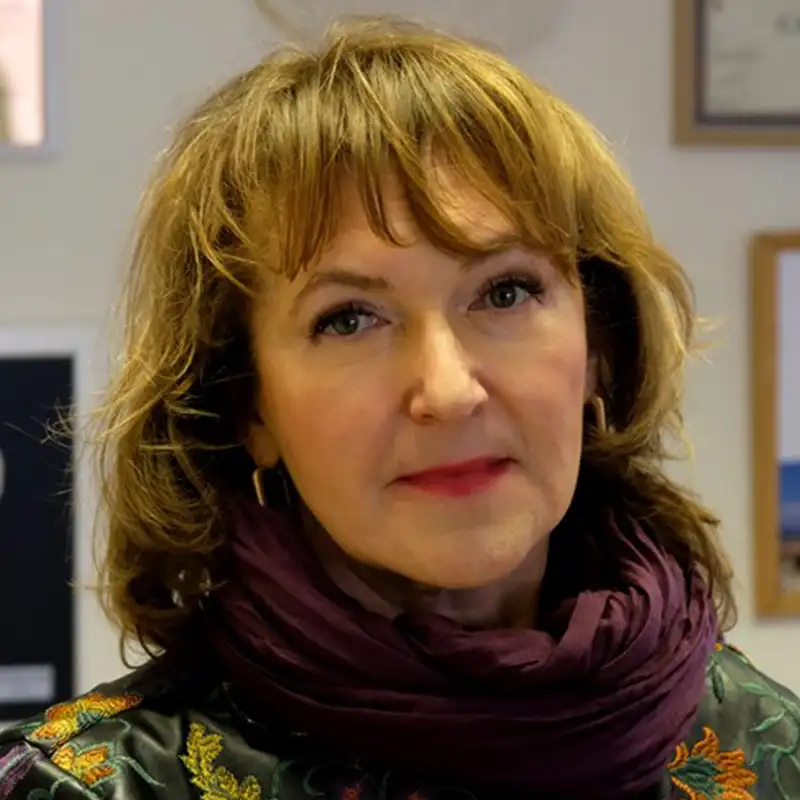
“Exhibiting Intimate and Gendered Experiences: Interpretation, Ethics and Care in Museum Practice"
“Exhibiting Intimate and Gendered Experiences: Interpretation, Ethics and Care in Museum Practice”
Urška Repar, Museum of Recent History Celje and Tijana Jakovljević Šević, Museum of Women’s Culture Regional-International
Exhibitions are never neutral. Every choice about what to display, how to frame it, and what to leave out shapes what audiences come to understand as true. This workshop looks closely at what happens when that curatorial power meets objects tied to intimate, embodied, and gendered experience — territory where representation, emotion, responsibility, and care are inseparable.
Using two exhibitions as shared reference points — Be(com)ing a Woman at the Museum of Recent History Celje (Slovenia) and Birth Culture at the Museum of Women’s Culture Regional-International in Fürth (Germany) — the session combines short facilitator input with group discussion and plenary reflection. Participants will unpack how curatorial decisions in these cases shaped visibility, meaning, and emotional response, then bring their own institutional experience into the conversation.
Anyone who has faced the question of how to interpret an object that resists conventional museum categories — because it is too personal, too sensitive, or too easily overlooked — will find concrete ideas here, along with a language for naming the ethical stakes involved.
Objectives
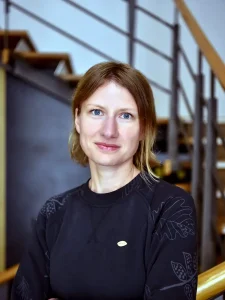
Urška Repar is an ethnologist and cultural anthropologist and Senior Curator at the Museum of Recent History Celje. Her work focuses on urban life, popular culture, sustainable museum practices, and the representation of women’s histories in museums, with a particular emphasis on gender-sensitive approaches to interpretation and exhibition-making. She received the 2023 ICOM Slovenia Award for the exhibition No Way Are We Throwing This Away: On Destructive Habits and Better Practices, and she serves on the Supervisory Board of ICOM Slovenia.
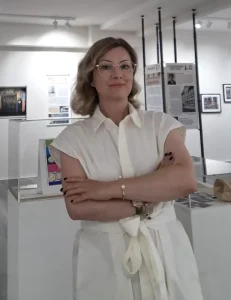
Tijana Jakovljević Šević is an ethnologist and anthropologist with more than two decades of museum experience and a PhD in Ethnology and Anthropology from the University of Belgrade. She spent nine years at the City Museum of Novi Sad before joining the Museum of Women’s Cultures Regional–International in Fürth, Germany, in 2017, and has served as Executive Coordinator of the International Association of Women’s Museums (IAWM) since 2024. Her work centres on ethnographic museology, exhibition interpretation, textiles, and women’s histories, and she has curated numerous exhibitions and authored publications on these themes in Serbia and Germany.
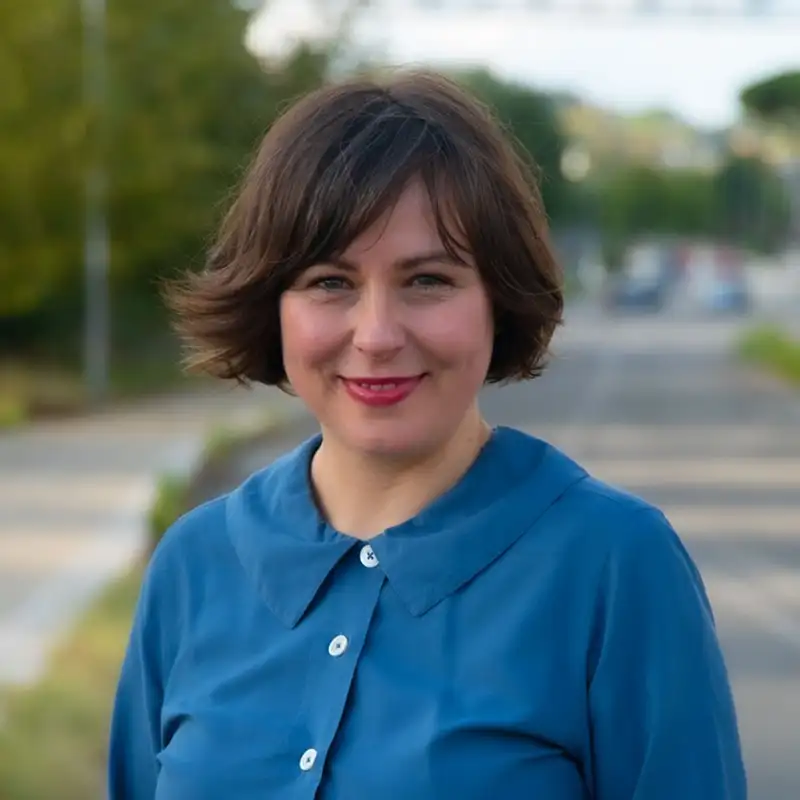
“Erasmus+ initiative developed with the Neurodiversity Education Academy”
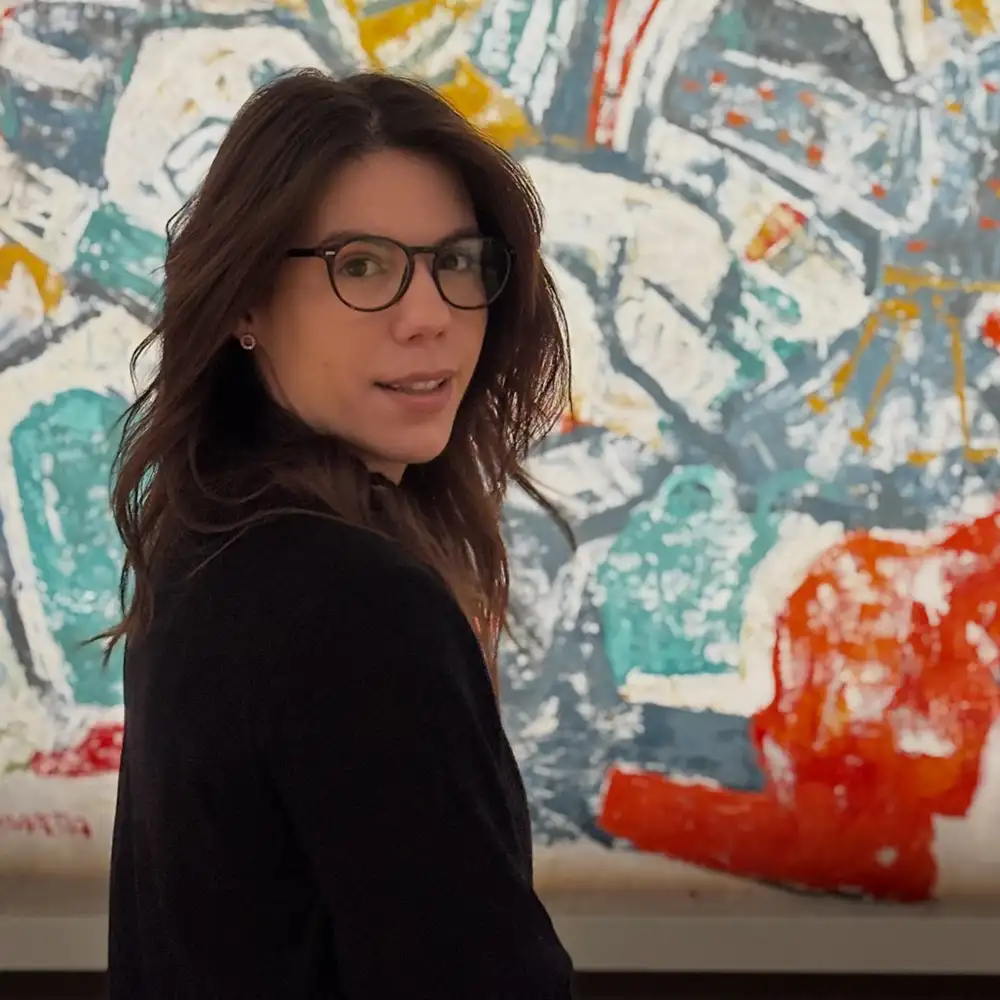
Antonia Silvaggi, Melting Pro
Most accessibility conversations start after a museum experience has already failed someone. This workshop asks participants to catch the friction before it happens — and to leave with something built, not just discussed.
Working in small teams of 3–4, participants take on a real touchpoint from their own institution — a gallery label, an entrance sequence, a booking flow, a workshop format — and redesign it using the EFURM and Design for Difference toolkits. Each team moves through three stations on a shared worksheet: Spot the friction, Reframe, and Prototype, then pins up their results for a fast gallery-walk and a 60-second share. In keeping with the neuroinclusive practice the session models, participants can contribute by speaking, writing, drawing, or quiet reflection, and are free to step out and return as needed.
Participants leave with the full Design for Difference card deck, a streamlined EFURM audit checklist, and a personal first action committed to on paper — ready to implement within 30 days of returning home.
EFURM and Design for Difference toolkits were developed by the Neurodiversity Foundation in The Netherlands.
Objectives
Antonia Silvaggi works with Melting Pro, a cultural enterprise that uses art and creativity as levers for social change, supporting organisations and communities through audience development, participatory design, and inclusive cultural practice. She brings facilitation experience grounded in co-design and the ethics of care, developed in part through the EFURM project (Reviving Urban Spaces: Empowering Facilitators in Urban Regeneration and Museums), an Erasmus+ initiative. Its “Bridging the Gap” toolkit, including the Design for Difference deck, translates neuroinclusion and urban-regeneration theory into practical tools for museum professionals, reflecting her conviction that designing for neurodivergent people improves cultural experiences for everyone.

"The Sacred Outside the Church: Ethical and Interpretative Challenges of Displaying Religious Heritage"
“The Sacred Outside the Church: Ethical and Interpretative Challenges of Displaying Religious Heritage”
Anđela Petrović, Serbian Academy of Sciences and Arts
What happens to a sacred object the moment it leaves its liturgical context and enters a gallery? This workshop takes the exhibition Saint Sava at the SASA Gallery as a case study for exploring that shift, and the ethical dilemmas it raises around audience interaction, emotional response, and the blurred line between viewing and adoration.
A short theoretical introduction covering musealization, interpretation of religious heritage, and the relationship between sacrality and exhibition practice sets up a guided analysis of interviews with the exhibition’s curators, authors, and visitors. Participants will examine exhibition design, curatorial narrative, and object placement together, considering whether display preserves, transforms, or neutralises an object’s sacred character — and open up broader interdisciplinary dialogue on presenting spiritually significant heritage in a contemporary museum context.
Objectives
Anđela Petrović is a PhD candidate in Art History, specialising in Museology and Heritology at the Faculty of Philosophy, University of Belgrade, where she is also a Teaching Associate in Museology and Heritology. She currently works at the Serbian Academy of Sciences and Arts, and previously worked at the National Museum of Serbia’s Department for Public Engagement and Education, focusing on accessibility and inclusive practice. Her research centres on sensory museology, museum communication, and heritage interpretation, with particular interest in non-visual and affective approaches to audience engagement. She is a member of ICOM and the Balkan Museum Network, and since 2025 has held a doctoral scholarship from the Ministry of Science, Technological Development and Innovation of the Republic of Serbia.

"Museum for Peace"
“Museum for Peace”
Uroš Dokl, National Liberation Museum Maribor (MNOM) and Aja Barbič, National Liberation Museum Maribor (MNOM)
Since 2016, the Museum for Peace programme has turned difficult history into a tool for building tolerance. Developed in response to the refugee crisis, rising intolerance, and questions of identity, it uses authentic objects, photographs, and documents to spark experiential learning and open discussion about war, discrimination, and human rights.
This session shares how it’s done — from objects with striking symbolic weight, such as a Nazi helmet repurposed into household items, to the experiences of children in wartime and the unfulfilled promise of peace after the First World War. Participants will see how museums can carry a clear message: that peace is built through dialogue and cooperation, not violence, and that history — handled well — can be a genuine tool for empathy and critical thinking.
Objectives
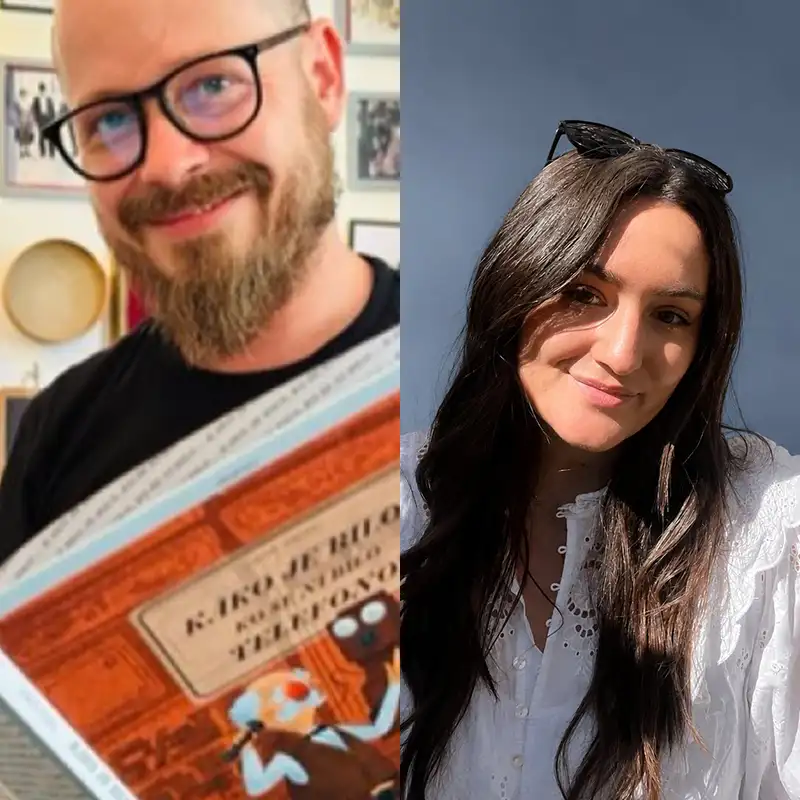
Uroš Dokl is a Professor of History and English, museum counsellor, and Head of the Pedagogical Department at the National Liberation Museum Maribor (MNOM), where he combines traditional museology with contemporary urban heritage and socially engaged educational projects. His research into alternative urban scenes shaped the exhibition Sk8tam torej sem (I Skate, Therefore I Am, 2022) and the documentary Maribor Retrosk8tiva (2023). He created the Museum for Peace programme and coordinates international youth initiatives, including the 2026 “Against Forgetting” project, and received the Glazer Badge (Glazerjeva listina) in April 2024 for his contribution to cultural preservation.
Aja Barbič holds a degree in History and English Language and Literature and has been connected to the National Liberation Museum Maribor since her student years, when she also served on the editorial board of a student history journal and developed a strong interest in the historical development of language. She now develops and coordinates educational and public programmes at the museum, including workshops for children and young audiences and new interpretative approaches to museum content. Her professional interests centre on how different generations perceive and understand twentieth-century history.
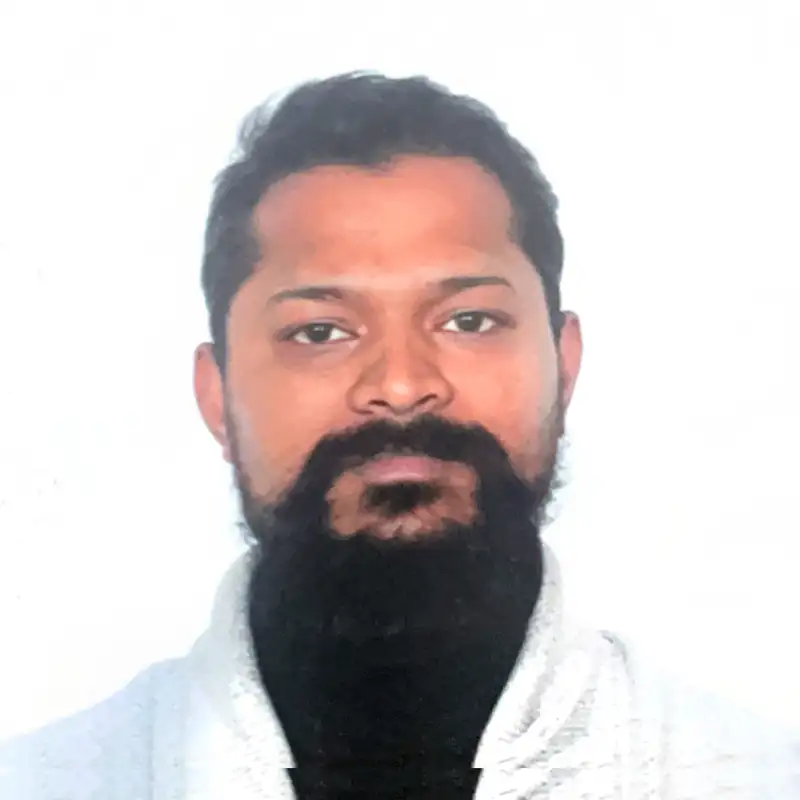
"From Broke to Built: How Museums Can Access EU, Private and UN Funding Through Technology"
“From Broke to Built: How Museums Can Access EU, Private and UN Funding Through Technology”
Kay Nag, BøthOfUs AB
Most museum professionals in the Balkans know EU funding exists — and find it overwhelming, fragmented, or written for institutions far larger than theirs. This fast-paced, hands-on session cuts through that noise and sends participants home with an actual next step, not just inspiration.
It opens with a live, interactive funding map projected on screen — EU streams, private foundations, UN-aligned grants, all current — as participants call out their projects and see them matched to funding in real time. From there, two real case studies show how adding a single digital layer to a community heritage project can unlock three funding streams instead of one. Working in pairs, participants apply that logic to their own “drawer project.” The session closes with a custom-built Funding Finder tool: participants input their institution, country, and project type, and receive their top three matched opportunities, complete with deadlines and a suggested first step.
What participants leave with
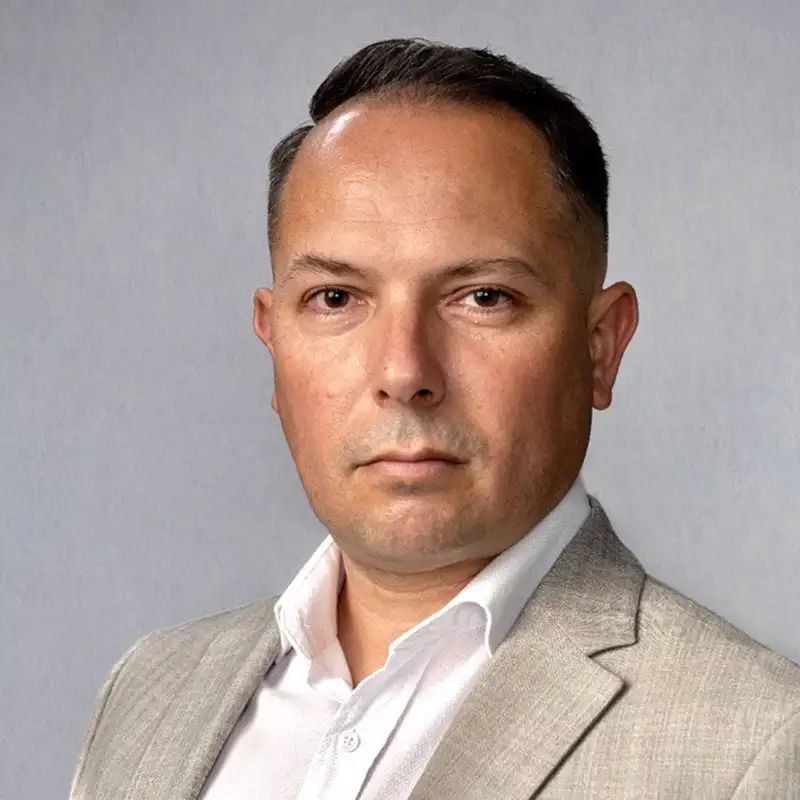
Kay Nag is the founder of BøthOfUs AB, a Stockholm-based social enterprise working at the intersection of technology, community empowerment, and the UN Sustainable Development Goals. Trained as an engineer specialising in cybercrime and data security at the Royal Institute of Technology (KTH), Sweden, Nag has helped raise over €50 million in institutional funding across EU and UN programmes, built innovation ecosystems in more than 15 countries, and run capacity-building programmes with UN-Habitat, UNICEF, and municipal governments worldwide. Nag also invented CO2CO2Puff, an AI-powered air quality tool for municipalities, and joined the MSD expert panel on Digital Storytelling in Zagreb last year.

"Beyond Touch: Making Colour Accessible in Museums"
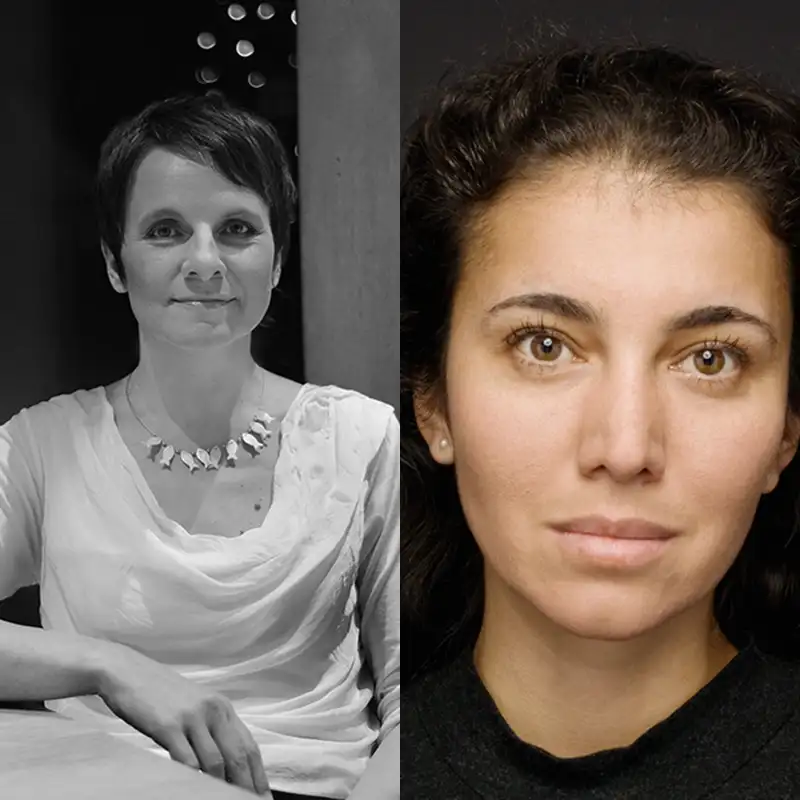
“Beyond Touch: Making Colour Accessible in Museums”
Tudor Scripor, Scripor Alphabet Foundation
Colour is one of the most powerful tools museums use to tell stories and interpret heritage — yet for millions of blind and visually impaired people, it remains largely out of reach, limiting how fully they can engage with artworks, exhibitions, and educational programmes. This workshop explores how museums can close that gap through tactile and multisensory approaches that make colour understandable through touch.
After a short experiential activity reflecting on how colour is currently communicated in museum spaces, participants are introduced to the Scripor Alphabet, a tactile colour code developed to complement Braille and give blind and visually impaired visitors independent access to colour information. Real-world case studies — tactile reproductions of artworks, accessible interpretation of Byzantine iconography, museum experiences combining touch, colour, and storytelling — ground the discussion in what has already worked. In the co-creation session that follows, small groups select an artwork or object from their own institution and design a scalable, low-cost way to make its colour accessible, closing with a shared exchange of ideas and openings for future collaboration.
Objectives
Tudor Paul Scripor is an inventor, accessibility architect, and social entrepreneur from Romania, best known as the creator of the Scripor Alphabet, a tactile colour code that gives blind and visually impaired people access to colour information through touch. Over the past 14 years he has developed solutions at the intersection of accessibility, education, art, culture, and inclusive design, working with museums, schools, universities, NGOs, and industry partners across Europe, and received the Zero Project Award 2023 for innovation in accessibility. Through tactile artworks, accessible museum experiences, educational programmes, and assistive technologies, he works toward a world where cultural participation is not limited by disability, treating accessibility as a source of creativity and social impact rather than mere adaptation.

"How to Fix an Outdated Exhibit: Two Affordable Solutions and One Expensive Approach"
“How to Fix an Outdated Exhibit: Two Affordable Solutions and One Expensive Approach”
Vessela Gertcheva, Muzeiko; New Bulgarian University and Angela Pencheva, xxx
Do you have an outdated exhibit that needs refreshing? You’re not alone — and a full renovation isn’t the only way forward. Participants are invited to bring a specific exhibit they’d like to improve, described through photographs and a short write-up, and work through practical ways to make it more engaging for visitors.
The session covers both ends of the budget spectrum: how to invest wisely when resources allow — which specialists matter most, how to build an effective exhibition team — and two affordable, high-impact strategies for transforming an exhibit when they don’t. Participants leave with a ready-to-use structure for drafting Terms of Reference when hiring exhibition team members, sample job descriptions, and two low-cost methods they can apply immediately.
Please bring: photographs of a specific exhibit you consider problematic, including all text labels, plus a photograph of your museum’s most iconic object.
Objectives
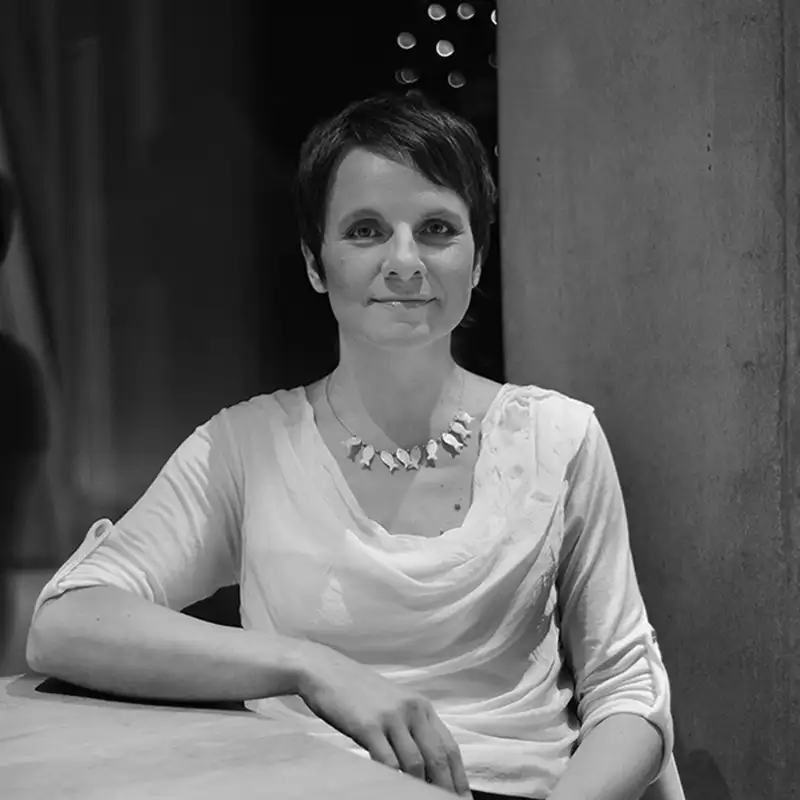
Vesela Gercheva is co-founder and first Programs and Exhibits Director of Muzeiko Science Center for Children, the first interactive children’s museum in Bulgaria and Eastern Europe. She has more than 15 years of experience developing children’s educational spaces and programmes, including some of the earliest such initiatives in Bulgarian museums (2009–2013). She holds a Master’s degree in Archaeology from Sofia University “St. Kliment Ohridski” and has trained extensively in scientific communication and digital marketing. She has taught Public Archaeology at New Bulgarian University and led training for museum educators, and was the first Executive Director of the Bulgarian Donors’ Forum (2003–2007), giving her particular expertise in donor policy for cultural heritage.
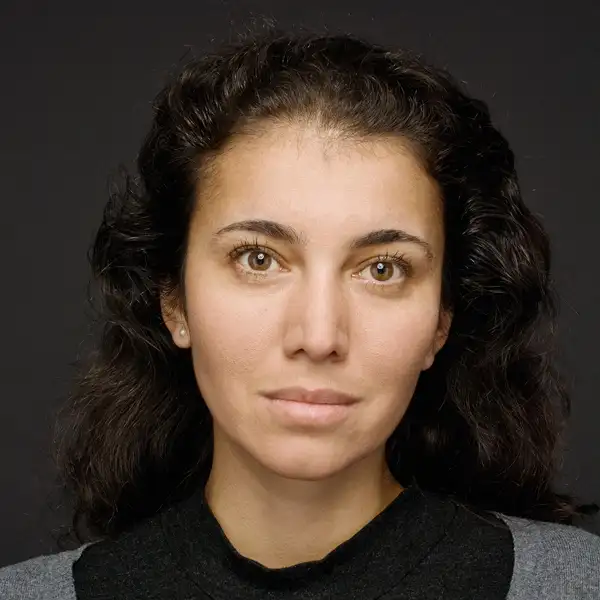
Angela Pencheva is a co-founder, program director, and member of the Board of Directors of the Balkan Heritage Foundation (est. 2008). She holds a master’s degree in Classical Archaeology from Sofia University in Sofia, Bulgaria, and a Ph.D. in the same subject from Humboldt University, Germany. She is also an adjunct professor at CPCE, New Bulgarian University. Over the past 15 years, she has coordinated field schools and research projects in archaeology, conservation, and preservation of cultural heritage. Some of the recent heritage projects she has worked on are: management plan for the archaeological site of Stobi (N. Macedonia); mosaic tours of Plovdiv and Sofia; The New Heritage: approaches to conservation and dissemination of contemporary monumental facade art in Bulgaria; professional training for “Creating Management Plans for Conservation of Immovable Heritage in the UNESCO heritage list”. Former board member of the International Committee for the Conservation of Mosaics (ICCM).
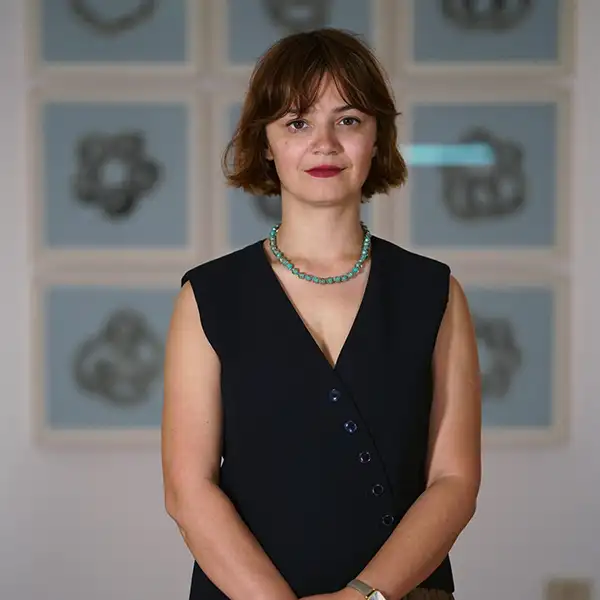
"Museums in Motion: Participatory Approaches to the Interpretation of Cultural Heritage"
“Museums in Motion: Participatory Approaches to the Interpretation of Cultural Heritage”
Isidora Živković, Museum of Contemporary Art of Republika Srpska
Can heritage education reach beyond the museum’s own walls? Museums in Motion, a collaboration between the Museum of Contemporary Art of Republika Srpska and the National Museum of Bosnia and Herzegovina (October 2025–June 2026), set out to answer that by taking UNESCO-recognised intangible cultural heritage directly to young people aged 12–15 across ten different cities.
This session shares how it worked: ten workshops in which curators from both institutions introduced local traditions and cultural practices, encouraging participants to respond through contemporary artistic media rather than passive learning. A residency programme let participants deepen their work, collaborate with peers, and help install an exhibition of what they created. The session reflects on the challenges and rewards of decentralised museum outreach and inter-institutional collaboration, offering a working model for inclusive, sustainable heritage education in multicultural societies.
Objectives
Isidora Živković is a curator in the Program Department of the Museum of Contemporary Art of Republika Srpska, where she plans and delivers exhibition programmes and explores how contemporary artistic expression communicates with audiences. A significant part of her practice supports emerging artists and their visibility within institutional settings, and her research interests centre on identity and social transformation in contemporary art. She has helped organise numerous exhibitions, artistic projects, and workshops connecting artists, institutions, and the public, and is a member of the National Committee of ICOM Bosnia and Herzegovina, through which she takes part in international professional exchanges.

"I Don't Know What It's For, and It Doesn't Even Work"
“I Don’t Know What It’s For, and It Doesn’t Even Work”
Slađana Velendečić, Museum of Vojvodina and Aleksandra Stefanov, Museum of Vojvodina
Some of the most interesting museum objects are the ones nobody can quite explain. This workshop turns that mystery into a method — using unidentifiable objects to build curiosity, teamwork, and new interpretative skills.
Participants begin in small teams, investigating selected museum objects and forming hypotheses about their function, documenting their reasoning through short self-recorded videos. Facilitators then walk through how this same process became the picture book I Don’t Know What It’s For, and It Doesn’t Even Work at the Museum of Vojvodina — from object selection and audience testing to the collaboration between curators, educators, designers, and illustrators that gave it its characters and narratives. In the hands-on session that follows, teams work with real museum documentation to build a visual identity and short story for an object of their own, blending factual content with imaginative interpretation. The workshop closes with team presentations and a group discussion on applying these approaches to promotion and audience development.
Objectives
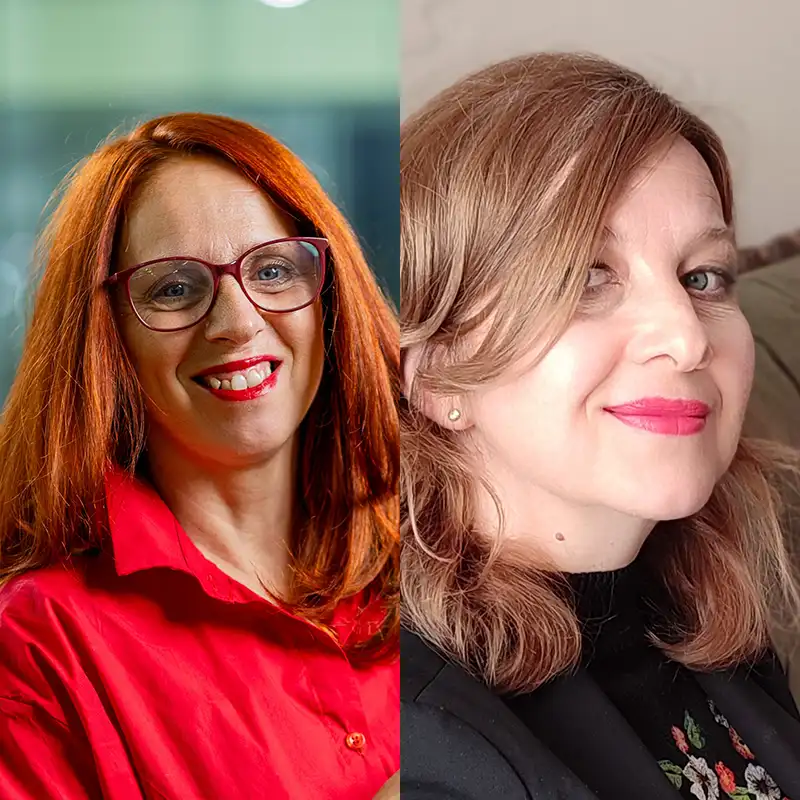
Slađana Velendečić is a museum educator and Senior Curator at the Museum of Vojvodina, where she has worked since 2000 and now serves as Program Director for Education and Presentation. She develops, designs, and implements educational and interpretative programmes with a focus on museum learning and audience engagement, and is the author of numerous initiatives including the Museum Puppet Theatre, the interactive children’s app Museum @ll know, and the museum YouTuber project Mouse Harlampije. She has contributed to several publications on museum education and regularly takes part in professional meetings and conferences in Serbia and abroad.
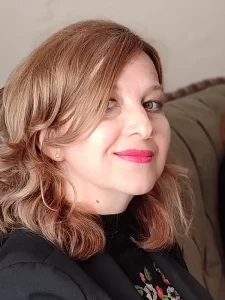
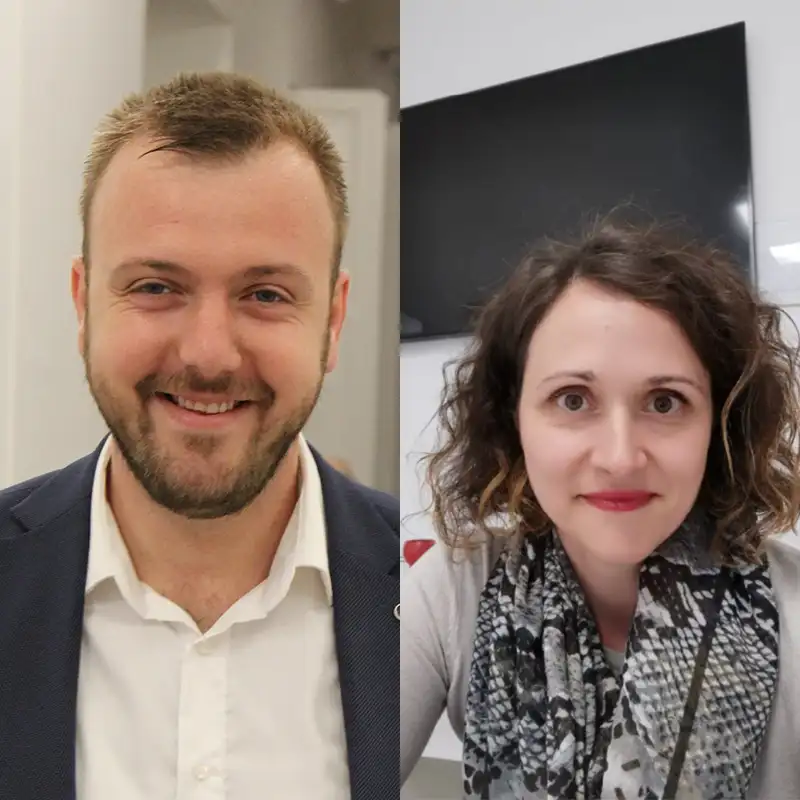
Aleksandra Stefanov graduated in Art History from the Faculty of Philosophy in Belgrade in 2003 and completed a Master’s in European Culture across the Czech Republic and Spain (2005–2006). She worked at the Gallery of Matica Srpska from 2007 to 2015, first as curator-documentarist and later as curator for education and exhibitions, where she planned and delivered educational and inclusive programmes for children and families. Since 2013 she has been a senior curator at the Museum of Vojvodina, overseeing the Fine Arts and Applied Arts Collections, with research focused on 19th-century art and bourgeois culture from the late 18th to mid-20th century. She is a member of the national ICOM Committee and serves on the Museum Society of Serbia’s Committees for Awards and Recognitions.
"Night of Fortresses"
“Night of Fortresses”
Simo Radić, Museum of Herzegovina in Trebinje and Đurđa Vrljević Šarić, Šibenik Museum
Held annually since 2022, Night of Fortresses connects fortresses, castles, museums, and historical sites across Europe around a shared commitment to sustainability and social responsibility. Taking part brings participating institutions international visibility and stronger connections with peer sites and managers. Since 2025, the initiative has run under the banner “Goes Green,” using cultural, educational, and participatory activities to bring sustainable tourism, environmental responsibility, and natural resource management closer to visitors — with accessibility, regardless of gender, age, ability, or background, built into how the event is developed.
This session introduces the initiative and what it takes to bring a heritage site into the network, sharing how participation strengthens cooperation, visibility, and sustainable practice across the region’s fortresses and museums.
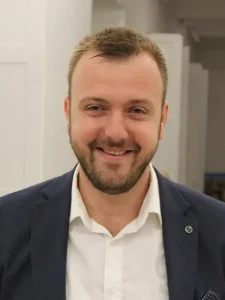
Simo Radić was born in 1994 in Trebinje, where he completed his schooling before studying History at the Faculty of Philosophy, University of Novi Sad. He graduated in 2016 and defended his master’s thesis, “Trebinje and Popovo from the 12th to the 15th century,” in 2017. Since 2018 he has worked at the Museum of Herzegovina in Trebinje, first as a curator-intern historian and, since 2019, as museum pedagogue, and he coordinates the Night of Fortresses event on the museum’s behalf. He has published on local history, museum pedagogy, and heritage protection, with research focused on the history of Trebinje and Popovo and the region’s tangible and intangible heritage.
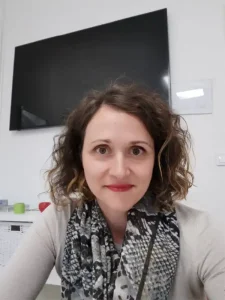
Đurđa Vrljević Šarić has headed the Department for International Cooperation and Projects at the public institution Fortress of Culture Šibenik since 2017. A journalist by profession, her work focuses on sustainability and inclusiveness in heritage management, the use of EU funds, and promoting the institution’s work within professional European networks.
"When the Public Enters the Museum Archive: Rethinking Ethics, Care and Participation in Museum Collections"
“When the Public Enters the Museum Archive: Rethinking Ethics, Care and Participation in Museum Collections”
Elma Fišić, History Museum of Bosnia and Herzegovina
What if the depot wasn’t hidden? This workshop challenges the idea of museum storage as a purely conservation-oriented, off-limits space, drawing on the History Museum of Bosnia and Herzegovina’s Open Depot and Photo Depot practices to reframe it as a site of access, participation, and shared interpretation — including a live look at how institutions navigate public scrutiny and reputational pressure when opening up.
Participants move through three linked exercises. In Delete the Archive, they reconstruct archival meaning after a key piece of metadata is removed, producing multiple interpretative records that expose how institutional description constructs knowledge. In The Forbidden Depot, they design an open-depot model that deliberately sets limits on access, weighing the ethical, conservation, and community-based reasons for restriction. In Who Gets to Stay in the Room?, a live curatorial simulation puts competing stakeholder demands in tension, revealing museum practice as an ongoing negotiation of ethics, care, and responsibility.
Objectives
Elma Fišić is a senior curator at the History Museum of Bosnia and Herzegovina, where she works with museum stories and participatory exhibition formats. Her practice focuses on rethinking museums as open, socially engaged institutions, with particular attention to archives as living spaces of interpretation and encounter, and an interest in experimental curatorial methods — including open depot practices, collaborative research, and community-based storytelling — that connect institutional collections with contemporary audiences. Her work often explores access, ethical responsibility, and care in relation to contested or fragile histories, and how museums operate under conditions of limited resources and public pressure, aiming through both curatorial and research-based work to build more inclusive, dialogical museum practice.

"From How to Why: A Hands-On Workshop on Ethical Decision-Making in Heritage Digitization"
“From How to Why: A Hands-On Workshop on Ethical Decision-Making in Heritage Digitization”
Arman Džaferagić, Ovelgönne Crafts Museum
At last year’s Meet, See, Do conference, this facilitator brought a 3D scanner to demonstrate low-cost digitization — but the most valuable conversations happened afterward, and they were never really about the technology. They were about decisions: should we digitize this? At what cost? What does the resulting digital object represent, and who cares for it in ten years? This workshop turns those questions into a hands-on experience, placing ethics, participation, sustainability, and care at the centre of the conversation about heritage digitization.
A short opening frames the “digitization trilemma” — staff, budget, and technology, rarely available together — through real cases from fieldwork in museums across the Balkans and northern Germany. The core activity, a “Difficult Digitization” case clinic, puts small groups to work on a realistic scenario: an object to digitize, an under-resourced institution, and an ethical complication such as colonial provenance, a fragile artefact, or a funder demanding fast results. Groups make a sequence of real decisions — what to capture, what to sacrifice, what to promise — and record their reasoning, before the session closes by mapping recurring tensions into a shared set of practical heuristics.
Participants leave with a vocabulary for naming the ethical dimensions of decisions they already make, a one-page decision-and-paradata worksheet, and a set of collectively authored heuristics shared with the group after the conference. With consent, anonymised insights from the session also feed into ongoing research on digitization in under-resourced museums.
Objectives
Arman Džaferagić is Director of the Ovelgönne Crafts Museum (Handwerksmuseum Ovelgönne) in Lower Saxony and a doctoral candidate jointly at the Institute for Material Culture, Carl von Ossietzky University of Oldenburg, and the German Maritime Museum in Bremerhaven. His dissertation, Difficult Digitization: The Materiality of the Digital Object, examines the ethics of cultural heritage digitization. A trained restorer and conservator, he has documented demanding objects through 3D scanning and photogrammetry and conducted fieldwork in museums across the Balkans and northern Germany. Driven by the democratisation of knowledge and the conviction that most institutions’ real barrier is know-how rather than money, he shared low-cost 3D methods at the 2025 Meet, See, Do conference and returns this year to ask why, what, and for whom museums digitize.
Please choose four workshops you wish to attend before arriving at the conference.
This panel will discuss current practices in formal and informal teaching and learning organized for museum and heritage professionals. Presenters will outline challenges and opportunities, with a focus on emerging trends in skills acquisition and development. Topics will include the availability of professional development university programmes for lifelong learning, the challenges recent graduates face entering the labour market, and the role of informal educational programmes in compensating for gaps in the formal curriculum.

Dr Ivana Živaljević is an archaeologist and an Assistant Professor at the Faculty of Philosophy, University of Novi Sad, where she teaches subjects in the field of Prehistory of the Balkans, Archaeology of Identity, Archaeology and the Media, Museology, and Cultural Heritage. Her research focuses on various aspects of human-animal relations in prehistory (in the Mesolithic and Neolithic), mainly from a zooarchaeological and multispecies perspective.
She has studied archaeofaunal remains from a number of museum collections in Serbia and North Macedonia, fostering interinstitutional collaboration. This has led to her project Science for the Museums, which aspired to interconnect innovative science and museum collections, researchers, curators, and the public. In addition to archaeological topics, she is also interested in various issues relevant to modern society, such as social and ecological challenges amidst global climate change, and multispecies entanglements in the Anthropocene.

Dr. Amra Hadžimuhamedović is a Sarajevo-based architectural historian and heritage conservator, and Director of the Centre for Cultural Heritage at International Forum Bosnia. Born in Stolac, she has spent decades at the forefront of protecting Bosnia and Herzegovina’s cultural heritage, notably serving as a leading expert in implementing Annex 8 of the Dayton Peace Accord, which established the mechanism for restoring monuments destroyed during the 1990s war. Her professional experience extends well beyond Bosnia, covering heritage recovery efforts in Kosovo, Palestine, and Iraq, and she has consulted for major international bodies including UNESCO, ICCROM, ICOMOS, the World Bank, and the OSCE. From 2010 to 2019 she taught architectural history and conservation at the International University of Sarajevo, and has guest lectured widely across Europe and the United States. She has also authored and edited several influential publications on heritage destruction, post-war reconstruction, and the relationship between cultural memory and human rights, including “Heritage, War and Peace” and “Bosnia: Destruction of Cultural Heritage.”

Dr Željka Miklošević is an associate professor in the Museology Unit that forms part of the Department of Information and Communication Sciences, Faculty of Humanities and Social Sciences, University of Zagreb. She holds degrees in Art History, English Language and Literature, and Museology. From 2006 to 2008, she worked as curator of the Arts and Crafts Collection at the Museum of Slavonia in Osijek, where she also developed and delivered educational programmes. Since 2008, she has been a member of the academic staff at the Faculty of Humanities and Social Sciences, University of Zagreb, where she also completed her PhD in Museology. Her research focuses on the social role of museums, particularly as realised through museum communication and educational programmes about and based on art and cultural heritage. She teaches undergraduate and graduate courses on heritage and museums, including Museum Education and Audience Development in the MA programme in Museology and Heritage Management. Her more recent research interests centre on participatory programmes in cultural institutions and organisations. She is a researcher on the Croatian Science Foundation project Representation, Development, Education, Participation – Art in Society 19th -21st Centuries (Croatian Science Foundation, 2023–2027) and on the project Youth Participation in Culture (University of Zagreb, 2025–2028). She is a member of the International Council of Museums (ICOM), the New Patrons Croatia collaborative platform, and the Croatian Museum Association. A full list of her publications and research projects is available at the following link: https://www.croris.hr/crosbi/searchByContext/2/28535
The panel will present three projects funded by the Headley SEE Cultural Heritage Fund. Aida Šarac Berbić will present “Museums Catalyzing Common History in the Western Balkans through Yugoslav Spomeniks,” sharing the experience of engaging over 2,000 children, youth, and adults across Western Balkan museums on the theme of shared history, using Bogdan Bogdanović’s monuments as didactic material. Nemanja Pavlović from the Neozoik Foundation will present “When Watermills Fall Silent: Preserving Watermill Heritage,” which mobilized young people through the “Let’s Not Grind the Past” initiative to safeguard this vanishing heritage. Monika Milosavljević will present the Bileća Cultural Center’s “Heritage without Walls: Participatory Governance and the Virtual Museum of Bileća, Bosnia and Herzegovina,” highlighting a community co-creation process that reimagined how local heritage can be documented and shared.

Aida Šarac Berbić holds an MA degree in Art History (teaching department), with narrow interest in the museum’s roles in society and democratization. Employed as a Museum Educator at the National Gallery of Bosnia and Herzegovina she is focused on studying museum visitor needs, social inclusion and (inclusive) digital transformation. Experienced public speaker in the field of museum accessibility and inclusion. The museum-educational methodologies she developed over the past years for different social groups have been recognized by international organizations like “Hands on! International”, the “Council of Europe”, the “Bosch Alumni Network”, and “SALTO Youth”. Member of the Balkan Museum Network, ICOM, CECA and GEM. Actively engaged in research in (inclusive) museum pedagogy topics and their practical implementation.

Nemanja Pavlović is a Research Assistant at the Laboratory for Bioarchaeology, Faculty of Philosophy, University of Belgrade, and a PhD candidate in Archaeology. He has participated in numerous archaeological excavations across Serbia and North Macedonia, as well as international conferences and research projects. His research focuses on archaeobotany and the preservation and promotion of cultural heritage through scientific research and public engagement. He is the author and co-author of several scientific and popular science publications and has contributed to the development and organization of archaeological exhibitions, including Ash, Dust and Nothingness. Since 2021, he has been an active member of the Neozoik Foundation, where he organizes educational workshops, science communication activities, and cultural heritage initiatives. He currently serves as the Project Coordinator and Manager of the “Let’s Not Grind the Past” project, dedicated to documenting and preserving the traditional watermill heritage of Stara Planina (the Balkan Mountains).

Monika Milosavljević is an associate professor at the Department of Archaeology, Faculty of Philosophy at the University of Belgrade, as well as the head of the Center for Theoretical Archaeology at the same institution. She has been a member of the Medieval European Research Community (MERC) committee since 2019. Her research interests encompass the political usage of archaeology, history of archaeology, archaeology of identity, and archaeological theory. Additionally, she engages with the philosophy of archaeology, particularly focusing on the intersection between the natural and social aspects of the discipline. In recent years, Monika has concentrated on medieval mortuary archaeology in the Western Balkans and the stećci phenomenon. She is the author of the book The Dawn of Archaeology (2020, in Serbian) and co-editor of the volume Archaeological Theory at the Edge(s) (2023). She is dedicated to promoting plurality in the field, from epistemological positions to research and teaching practices.
The ICOM International Committee on Ethical Dilemmas (ICEthics) encourages discussion, reflection, and professional exchange on the ethical challenges museum professionals face in their daily work. Recognizing that many such questions have no simple or universal answers, ICEthics promotes dialogue as a tool for professional learning, critical thinking, and responsible decision-making.
Its flagship initiative, the Ethics Meeting Room, is an interactive forum for discussing real ethical dilemmas from museum practice. Through case studies and open dialogue, participants explore different perspectives and consider possible approaches to complex situations — not to reach definitive answers, but to create space for collective reflection and peer learning. Past sessions have brought together professionals from different countries and disciplines to discuss issues such as representation, accessibility, community engagement, sensitive heritage, and institutional decision-making, revealing how many ethical dilemmas are shared across the sector.
This presentation will introduce ICEthics and the Ethics Meeting Room methodology, drawing on past sessions to explore how discussing real-life dilemmas helps professionals navigate the intersection of professional standards, public expectations, institutional priorities, and community needs. Aligned with the conference theme Museums as Living Institutions: Ethics, Participation, Sustainability and Care, the presentation argues that ethical dialogue is itself a form of care — for collections, communities, institutional integrity, and museum professionals alike. In a period of significant transformation for the sector, the experience of ICEthics shows that sharing ethical dilemmas strengthens professional solidarity and fosters a culture of mutual learning.

Lina G. Tahan has a Ph.D. in Archaeology and Museum Studies from the University of Cambridge, United Kingdom. She is currently an affiliated scholar at the Department of Archaeology, University of Cambridge and, until the end of 2019, a Lecturer at the Department of Archaeology, Lebanese University. Her research and teaching interests relate to: (1) Representation issues within Middle Eastern museums collections, exhibitions and visitors; (2) The history of collections and museum development in Lebanon within the political context; (3) The definition of heritage in Lebanon and how this links to identity formation and the creation of a sense of place; (4) The role of museums in fostering understanding in divided societies. She is an active member of the International Council of Museums (ICOM) and the Chair of the International Committee for Ethical Dilemmas (ICETHICS). She also promotes museums in the Arab World.
Cvetanka Vuchkovska-Mitovska is a Senior Curator at the NI Memorial House of Mother Teresa in Skopje, N. Macedonia, and Secretary of the ICOM International Committee on Ethical Dilemmas (IC Ethics). With over sixteen years of professional experience in museums and cultural heritage, her work focuses on museum ethics, exhibition development, accessibility, inclusive interpretation, and international cooperation. She has curated museum exhibitions and developed international exhibition projects, collaborating with museums and heritage professionals across Europe. She has served as a speaker, moderator, and organizer at international museum conferences, contributing to professional dialogue on ethical issues in museum practice. She is the author and co-author of several publications in museology, cultural heritage, and archaeology. Her projects have received two ICOM Macedonia Awards for Best Museum Project of the Year (2017 and 2023).

Andrea Kieskamp works as an independent exhibition manager, concept developer, educator and researcher for museums and archives in the Netherlands. She graduated in historical literature of the Netherlands (cum laude) at the University of Amsterdam. As a board member of ICOM Netherlands (2007-2013) she produced the book Sense and Sensitivity. The Dutch and Delicate Heritage Issues. From 2015-2017 she was secretary of the Code of Ethics Committee for Museums at the Museums Association. In 2022 she became president of Blue Shield Netherlands. Andrea is supervising fourth-year students at the Reinwardt Academy (bachelor Cultural Heritage), part of the Amsterdam University of the Arts. This fall her book on the protection of museums, archives, libraries and monuments in the Netherlands in the Second World War (the Art Protection Inspectorate 1939-1946) will be published, with contributions from the Rijksmuseum, the Dutch Open Air Museum and the Section Cultural Affairs and Information (CAI) of the Dutch Armed Forces.

Cvetanka Vuchkovska-Mitovska is a Senior Curator at the NI Memorial House of Mother Teresa in Skopje, N. Macedonia, and Secretary of the ICOM International Committee on Ethical Dilemmas (IC Ethics). With over sixteen years of professional experience in museums and cultural heritage, her work focuses on museum ethics, exhibition development, accessibility, inclusive interpretation, and international cooperation. She has curated museum exhibitions and developed international exhibition projects, collaborating with museums and heritage professionals across Europe. She has served as a speaker, moderator, and organizer at international museum conferences, contributing to professional dialogue on ethical issues in museum practice. She is the author and co-author of several publications in museology, cultural heritage, and archaeology. Her projects have received two ICOM Macedonia Awards for Best Museum Project of the Year (2017 and 2023).
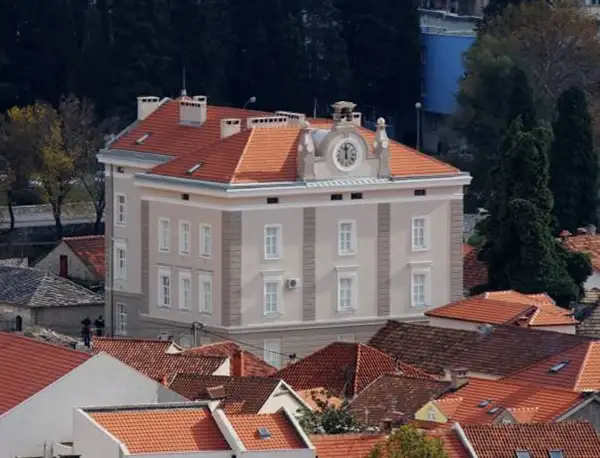
Museum of Herzegovina, Trebinje
For any questions, reach out to Aida Vezic at aida.vezic@bmuseums.net
We’re excited to share the moments of learning, inspiration, and networking with you.
See you soon in Trebinje!