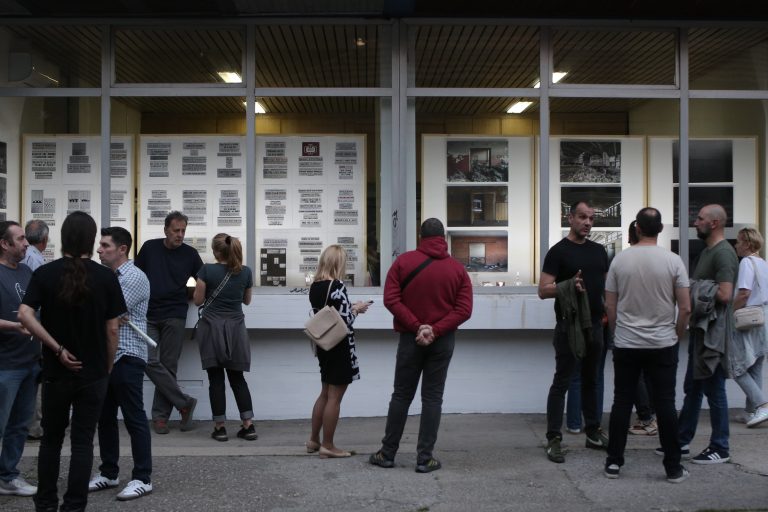
Implemented between 1 October 2024 and 1 December 2025, the project MoCA Masterpieces for All achieved significant and lasting results for the Museum of Contemporary Art–Skopje (MoCA), its professional staff, partner institutions, and diverse audiences. The project strengthened institutional capacities, produced innovative accessible resources, and positioned accessibility as an integral part of MoCA’s curatorial, educational, and public mission.
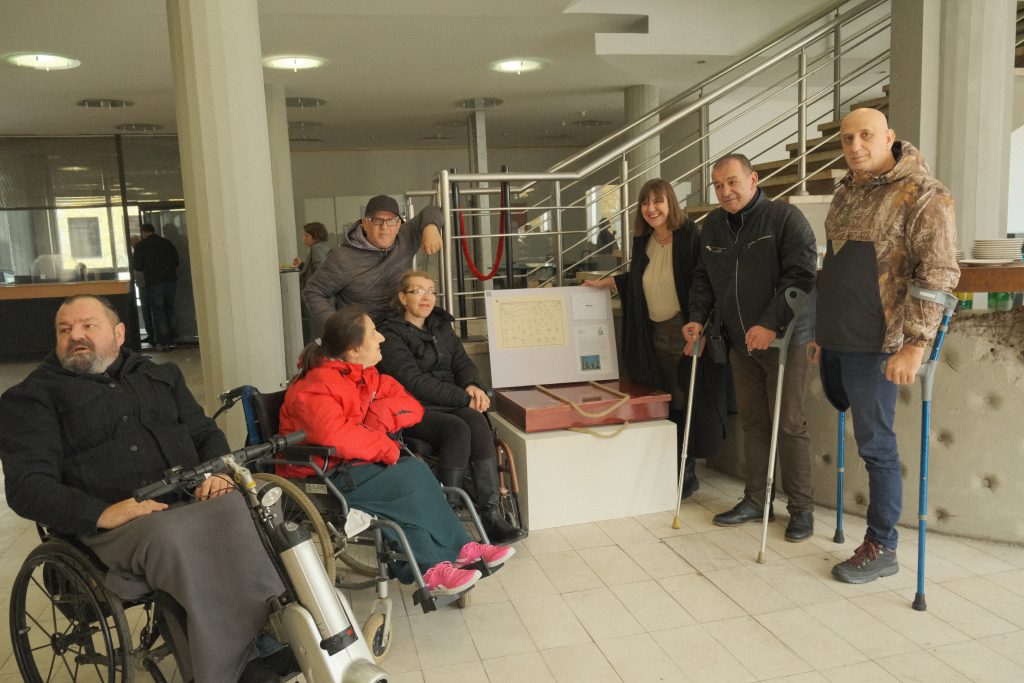
One of the project’s key results was the establishment of a participatory and user-centred approach to accessibility. This began with two workshops held in October and November 2024, which brought together MoCA curators, accessibility experts, and representatives of partner organisations, including the State School for Blind Children and Youth “Dimitar Vlahov” and the Association for People with Disabilities “Mobility.” Through dialogue and co-creation, the group jointly selected artworks and interpretative methods that reflected the lived experiences and needs of users with disabilities. As a result, accessibility was approached not as an add-on, but as a shared responsibility and a creative process embedded in museum practice.
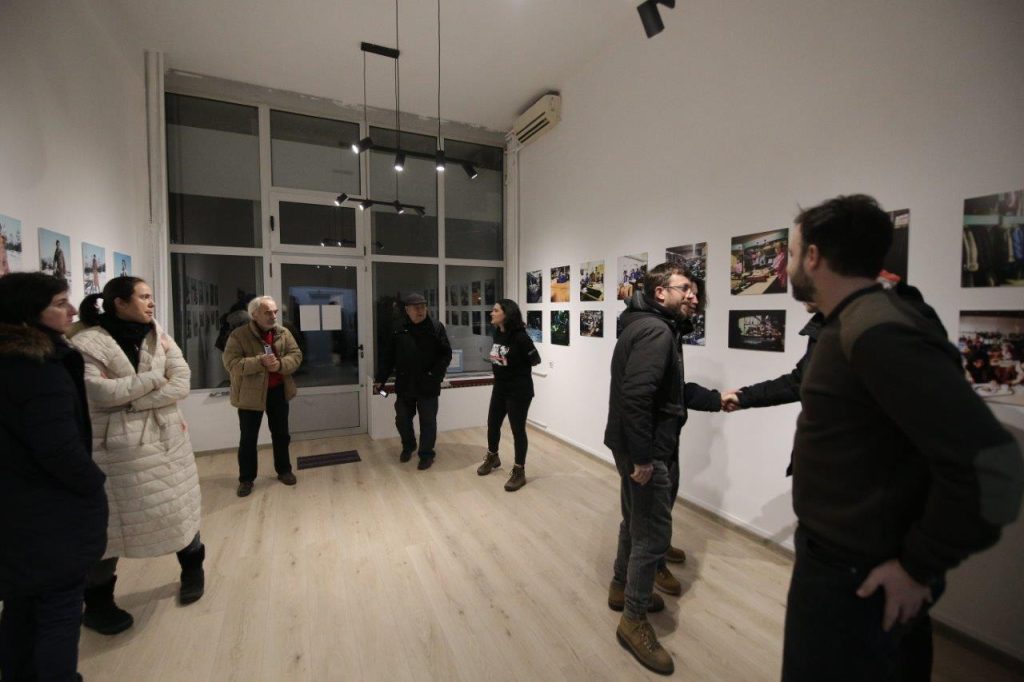
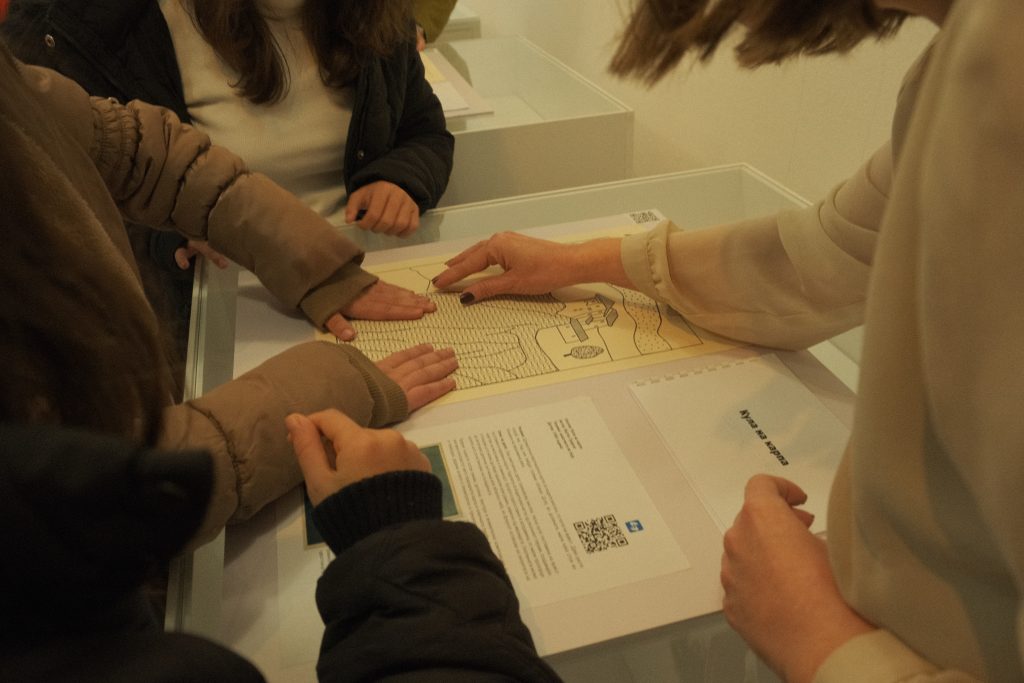
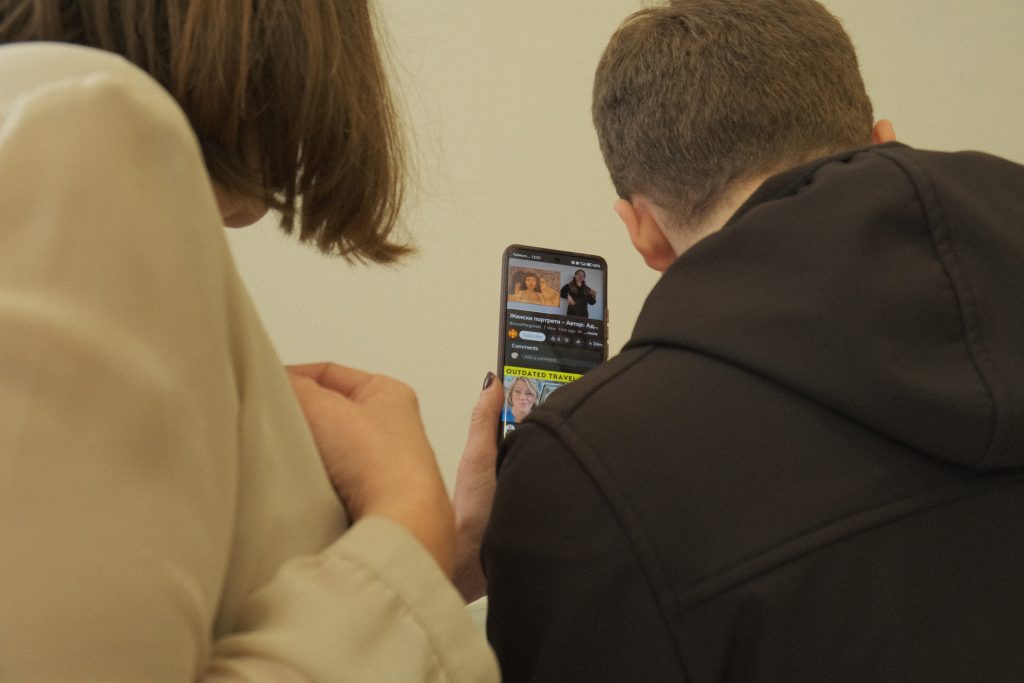
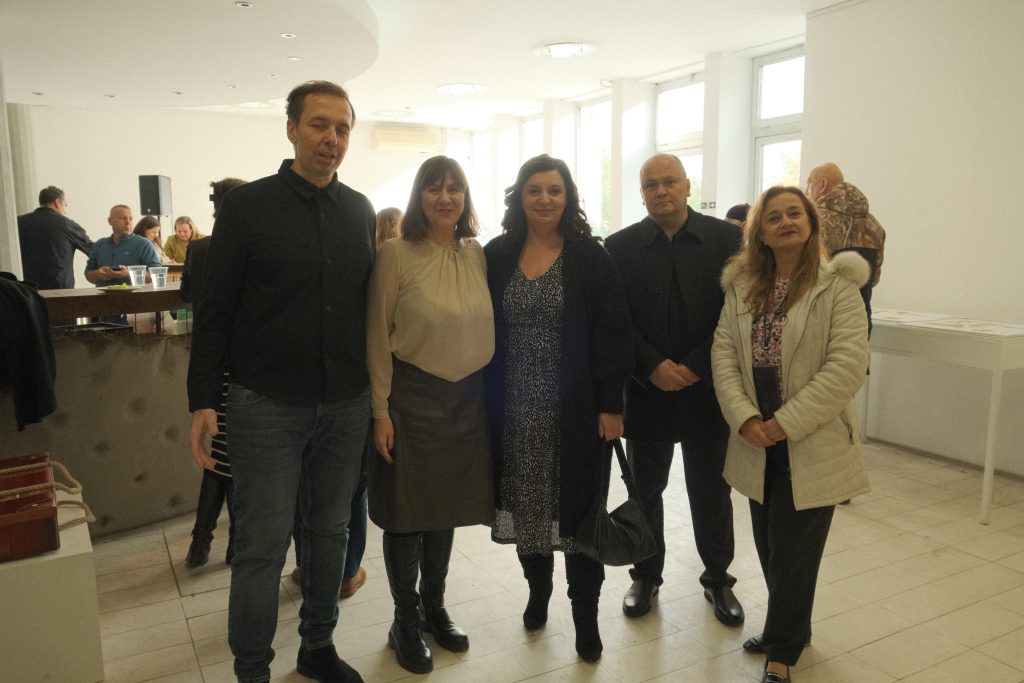
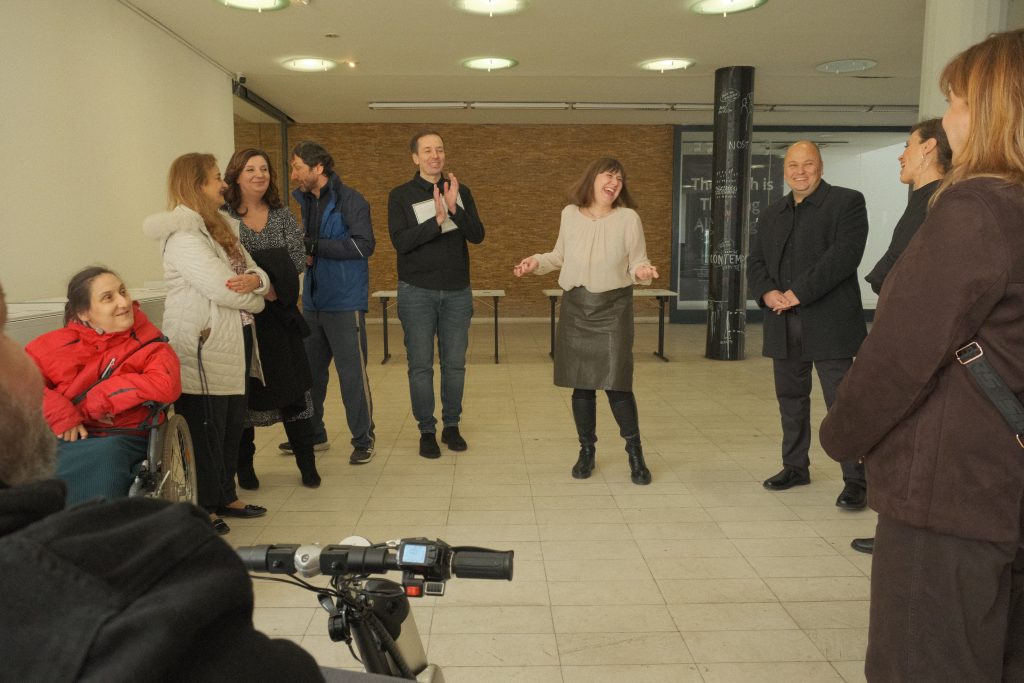
Another major outcome was the professional development of MoCA staff. On 27 March 2025, a comprehensive training programme was delivered by MA Željka Sušić, PhD Željka Bosnar Salihagić, PhD Irena Ružin, and MA Jove Pargovski. Three structured sessions engaged 15 museum professionals and addressed accessibility standards, inclusive communication, tactile and audio interpretation, and universal design principles. The training significantly increased staff knowledge and confidence, as confirmed by evaluation forms and participant feedback. Importantly, it helped embed accessibility awareness within the institution, creating a group of professionals equipped to apply inclusive principles in future exhibitions, education programmes, and public activities.
A further important result of the project was the completion of the Accessibility Study, prepared between March and June 2025 by PhD Irena Ružin and MA Željka Sušić. The study provides a detailed analysis of physical, sensory, and informational barriers within the museum, alongside clear and feasible recommendations for improvement. As a concrete strategic document, it now serves as a reference for MoCA’s long-term planning, guiding future investments and organisational decisions related to access and inclusion.
At the core of the project’s tangible outcomes is the creation of the Museum in a Suitcase. Developed between March and June 2025, this innovative educational tool includes eleven accessible masterpieces from MoCA’s collection. The set features tactile reproductions created by MA Jove Pargovski, texts in Braille, and video interpretations in sign language. Designed as a portable, multi-sensory resource, the suitcase enables learning experiences outside the museum space and supports engagement with schools, associations, and community centres. It represents a practical and scalable model for inclusive museum education and has been tested and refined in collaboration with partner institutions.
The project also achieved strong public visibility and recognition. A press conference held on 24 November 2025, along with an interview for Deutsche Welle (Macedonian section), highlighted MoCA’s commitment to accessibility and inclusion. Media coverage and feedback from partners and participants indicated increased public awareness and interest in inclusive approaches to contemporary art. As a result, MoCA-Skopje has been recognised as a national example of accessibility-oriented cultural practice.
Overall, MoCA Masterpieces for All delivered results that extend well beyond its immediate activities. By strengthening staff competences, producing strategic knowledge, creating innovative accessible tools, and fostering partnerships with disability organisations, the project laid a strong foundation for the sustainable integration of accessibility into MoCA’s everyday work. Accessibility is now positioned not as a temporary project goal, but as a core value shaping the museum’s future development.
The project is supported by the Headley Southeast European Cultural Heritage (HSEECH) Fund.