Bridging Worlds: Museum Education and Digital Ethics in the Modern Museum
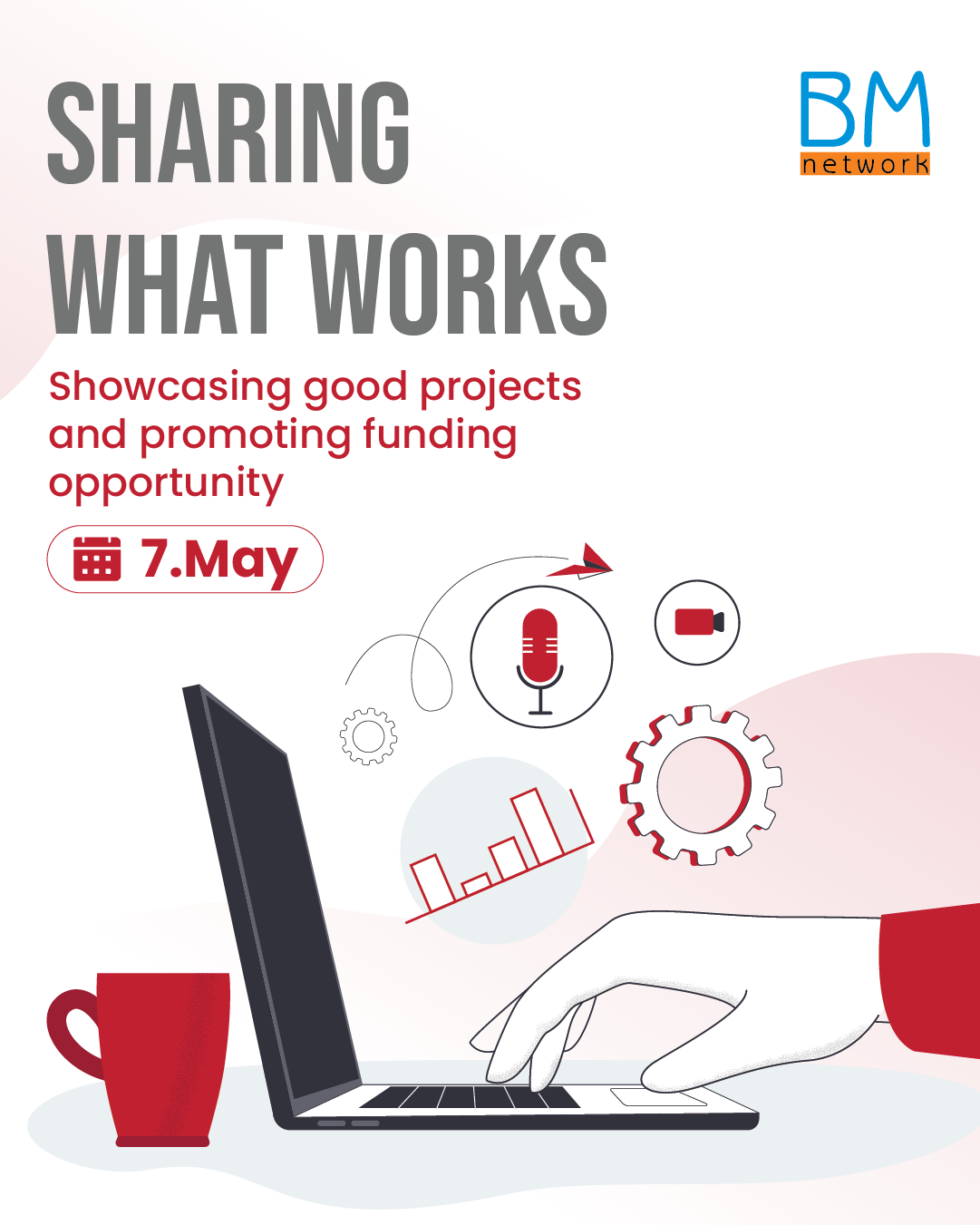
How do museums speak to those who cannot yet read? And how do they document what they preserve in an age when the tools of preservation are themselves in question? These are among the most pressing challenges facing museum professionals today — and they sit at the heart of this second webinar in our ongoing series.
Our three speakers approach museum practice from very different angles, yet their work converges on a shared concern: making heritage meaningful, accessible, and honest. From Novi Sad, Sladjana Velendečić and Tatjana Ljubojević of the Museum of Vojvodina share how puppet theatre and illustrated storytelling can transform a visit to a permanent exhibition into a formative experience for children aged four to ten. From Bremerhaven, Arman Džaferagić brings a more critical lens, asking whether the digital tools museums have embraced so enthusiastically are actually meeting the scientific and ethical standards they were meant to uphold.
Together, these perspectives remind us that museum education — whether delivered through a puppet or a 3D scan — is never simply a technical matter. It is always, at its core, a question of values: what we choose to pass on, to whom, and how faithfully.
Sladjana Velendečić, Tatjana Ljubojević, Creative Approach to Museum Education for children: Puppet Theatre and Picture Book
Children are the most engaged and sincere audiences of the Museum of Vojvodina. This is why the Education Department focuses on creating innovative programs that encourage museum professionals to approach heritage from a child’s perspective and find meaningful ways to pass on knowledge, care and passion for culture, as today’s children are the future guardians of cultural heritage.
The Museum of Vojvodina Theatre and the picture book Who’s Been Nibbling? are based on a creative educational approach for children aged 4 to 10. Both programs use storytelling through puppet theatre, verse and illustration to make the museum experience accessible, engaging and meaningful for young audiences. Inspired by objects from the permanent exhibition, they introduce children to cultural heritage in a way that encourages curiosity, exploration and active participation, while fostering critical thinking and a lasting love for culture and art.

Sladjana Velendecic, senior curator, museum pedagogue, program director of the Sector of the museum education and presentation. She has participated in the design and realization of many educative programs. Her main interest in museum work is related to education and interpretation. She is the author of several educational programs that develop museum as a part of formal educational system (primary and secondary school students as well as disabled children). She was one of authors of Museum for children, 2015 and has co-authored different publications on museum educational policy. In recent times impact of digitalization in education and interpretation are in her focus. She is author of the YouTube program Adventures of Mouse Harlampije. She has participated in meetings and workshops in Serbia and abroad in the field of museology and education in museums.
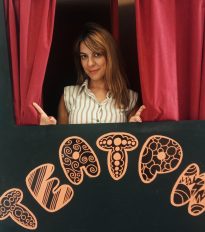
Tatjana Ljubojević, museum educator, head of the Department for museum education and public relations. Graduated from the Department of History of the Faculty of Philosophy in Novi Sad. Within the Education department of the Museum of Vojvodina creates educational programs for different categories of audiences. Her focus of interest is on new ways of interpreting museum materials for the youngest visitors through music and theatre. Currently at Master’s studies in Puppetry at the Academy of Arts in Novi Sad.
Arman Džaferagić: Between Democratization and Scientific Integrity: A Critical Re-evaluation of the London Charter in the Age of AI and Resource Scarcity
The widespread use of low-cost three-dimensional digitization has successfully democratized access to cultural heritage. However, this technological success masks a systemic failure to meet the core scientific principles of the London Charter, namely transparency, documentation, and sustainability. This presentation explores the resulting paradata crisis, where the line between historical evidence and interpretation becomes blurred. The situation is further complicated by the environmental footprint of digital infrastructure, the rise of generative artificial intelligence, and the unresolved ownership questions surrounding digital repatriation. To address these challenges, the talk outlines a strategic roadmap focusing on semantic frameworks, human competence, and the integration of CARE principles for indigenous data sovereignty.
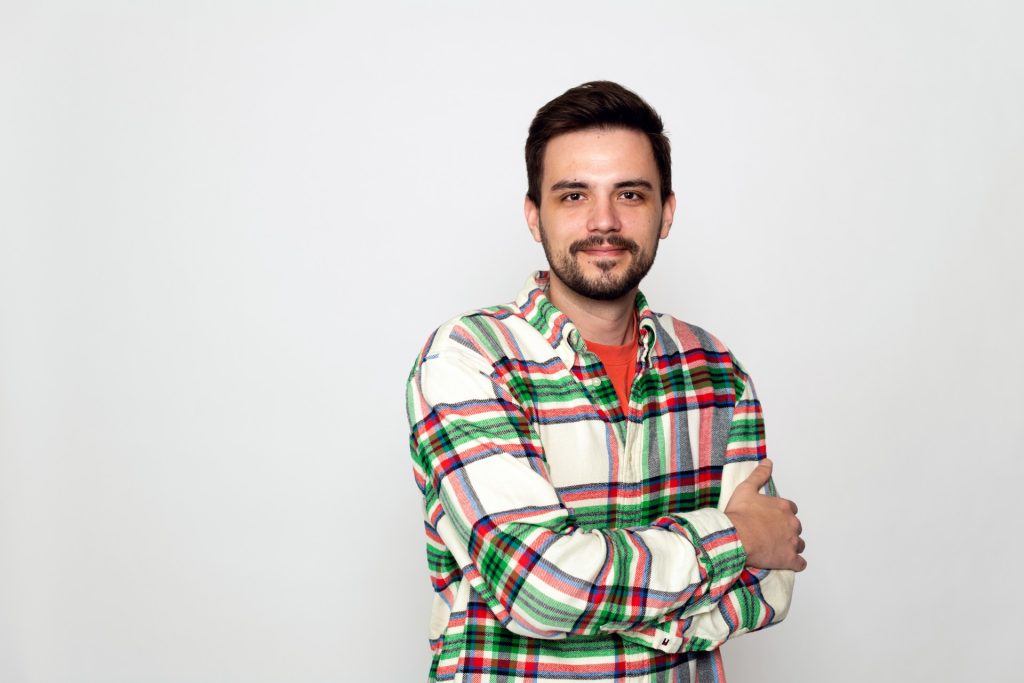
Arman Džaferagić is a trained conservator and restorer. He is currently a doctoral researcher at the Carl von Ossietzky University of Oldenburg and the Leibniz Institute for Maritime History in Bremerhaven, Germany. In addition to his academic research, he works as the director of the Crafts Museum Ovelgönne. His research focuses on the materiality of digital objects, ethical frameworks in cultural heritage digitization, and the practical challenges faced by small and medium-sized museums. He is actively involved in qualitative field research across Southeast Europe and Northern Germany and is a member of the Balkan Museum Network and ICOM.
This is the second event in what promises to be an ongoing conversation about excellence and experimentation in museum practice. Come for the ideas, stay for the community.
👉 Reserve your spot now: Register here
📅 07 May, 2026
🕑 Noon CET (Central European Time)
🎟️ Attendance: Free (via Google Meet)